Hey there, warehouse and operations managers! If you're knee-deep in pallets, forklifts, and inventory flows, you know that racking systems are the backbone of your operation. They're what keep everything organized, accessible, and—most importantly—safe. In Australia, the go-to rulebook for steel storage racking has been the AS 4084 standard. The old version from 2012 has served us well, but as of 2023, there's a fresh update: AS 4084:2023.
Don't worry, I'm not here to drown you in technical jargon. Think of this as a friendly chat over coffee, where I'll break down what the new standard means, how it differs from the 2012 version, and why it's a big deal for your day-to-day. We'll focus on the practical stuff—like keeping your team safe, avoiding costly downtime, and staying compliant without the headaches. Let's dive in.
In simple terms, AS 4084 is Australia and New Zealand's official guideline for designing, installing, operating, and maintaining steel storage racking systems, especially selective pallet racking (the kind where you can access each pallet individually). It's all about making sure your racks can handle the loads, withstand bumps from forklifts, and even survive earthquakes in prone areas.
The standard isn't just a nice-to-have it's essential for safety. A collapsed rack could mean injuries, damaged goods, or shutdowns that hit your bottom line. The 2012 version focused mainly on design and basic safety, but the 2023 update builds on that with more real-world guidance, splitting the standard into two parts for clarity:
This split makes it easier to follow, like separating your warehouse into zones for picking and packing.
Let's break it down into the four main areas: design, installation, operation, and maintenance. I'll explain each like I'm walking you through your own warehouse.
The design rules ensure your racking can take whatever you throw at it — literally. In 2023, there's more emphasis on toughness and real-life scenarios.
Compared to 2012, the old standard had seismic options but didn't mandate them as strictly, and it lacked details on protectors and mesh. The 2023 version tightens this up to prevent accidents before they happen.
Getting racks installed properly is like laying a solid foundation for a house—if it's off, everything wobbles.
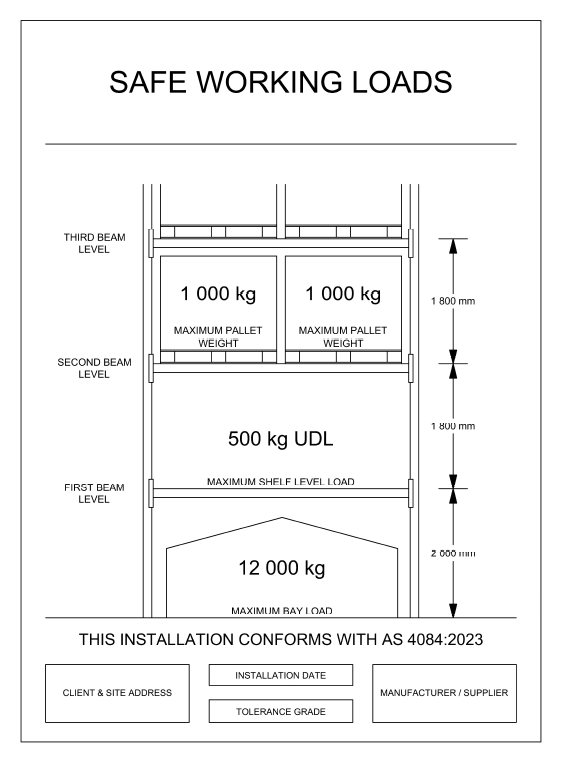
The 2012 version covered basics like anchoring, but 2023 adds specifics on outdoor materials and signage details, making it easier to spot non-compliance during walkthroughs.
This is where you, the ops manager, shine—daily use and quick checks.
In 2012, inspections were recommended but not as strictly enforced. The 2023 push for annual pros means catching issues early, potentially saving you from a forklift mishap turning into a major incident.
Maintenance keeps your racks in fighting shape, like servicing your fleet vehicles.
The 2012 version had less on repairs and no separate maintenance section. Now, with Part 2, you've got a roadmap to extend rack life and avoid surprises.
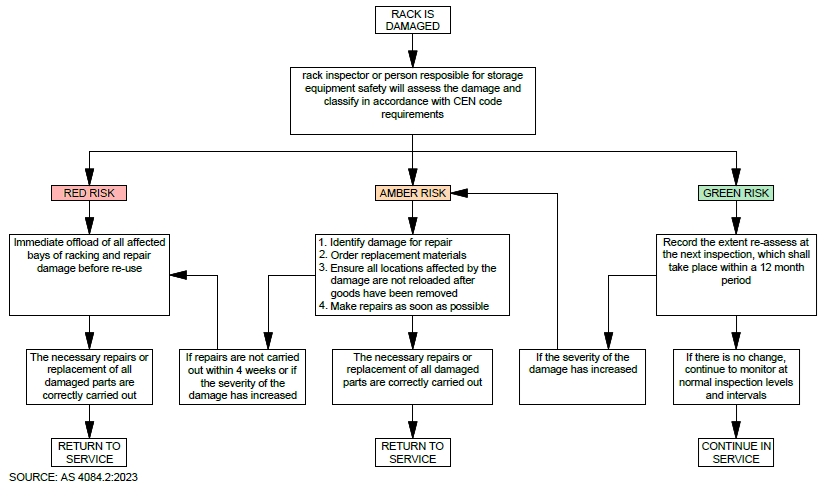
Picture this: A forklift clips a rack corner—no biggie in the moment, but without proper protectors (new in 2023), it could weaken the whole bay. Or an earthquake hits, and your old design buckles because seismic calcs weren't mandatory. These updates aren't just red tape; they're about protecting your people, products, and profits.
For warehouse managers, compliance means fewer insurance claims, happier teams, and smoother audits. If you're reconfiguring space for growth, now's the time to align with 2023— it could prevent a $10,000 fix turning into a $100,000 disaster.
AS 4084:2023 makes it clear: Racking safety is the end user's ongoing responsibility. You need the right design, the right signs, and a strict inspection schedule managed by competent professionals.
The shift from AS 4084:2012 to AS 4084:2023 is evolution, not revolution — more precise, safer, and user-friendly. Start with a self-check: Are your signs up to snuff? When was your last pro inspection?
If in doubt, call in experts for an audit. Staying ahead keeps your operation humming.
Got questions or need a deeper dive? Drop a comment below.
Safe racking, everyone!
Have a question or need a quote? Reach out and our Auckland team will help you with racking inspections, 'as built' drawings, or advice on standards.